In October 2001, Major Mel Deaile and Captain Brian Neal took off from Whiteman Air Force Base in Missouri aboard the B-2 Spirit named Spirit of America. They spent 44 hours and 20 minutes in the air before landing at Diego Garcia, with no ground stop during the sortie.
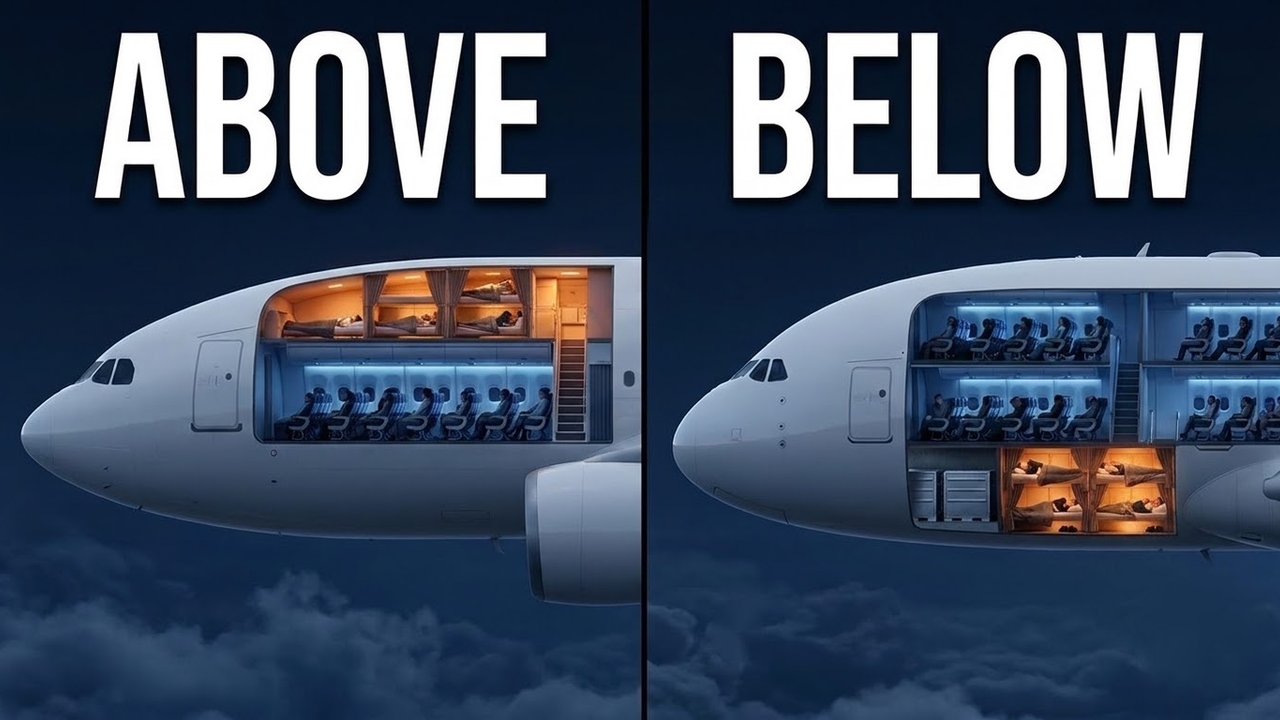
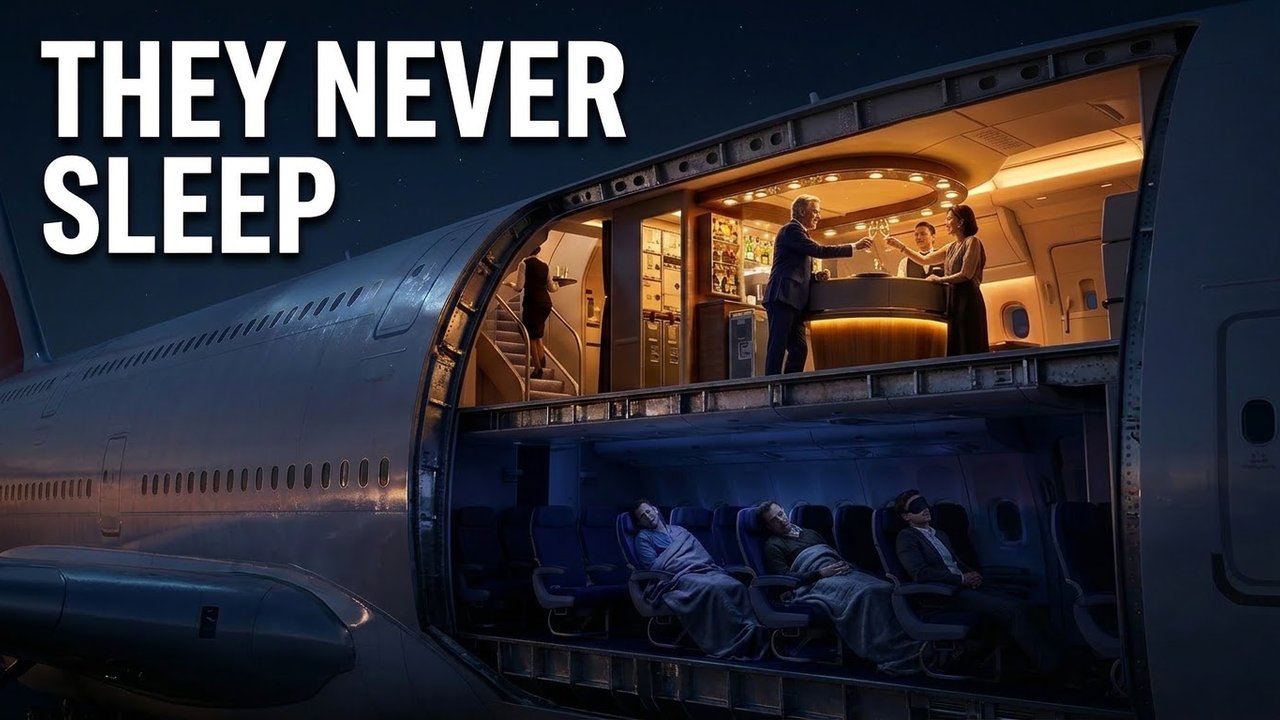
The B-2 has a crew of 2, against 4 on the B-1B and 5 on the B-52. Its crew compartment measured 25 square feet and held both flight stations and the toilet. One pilot rested while the other flew, with both returning to their seats during aerial refueling and other demanding phases.
A bed behind the seats
Deaile recalled one pilot often being asleep in a sleeping bag on a modified Army cot behind the ejection seats. The 2016 account described a folding lounge chair stretched out at the back of the cockpit.
The pilots alternated rest as the aircraft moved from one tanker contact to the next. Deaile said they changed places after tanker connections, roughly every 4 or 5 hours. Rest had to fit around the flight plan and refueling work.
The tanker clock
The first B-2 missions over Afghanistan followed a westbound route across the Pacific. 2 bombers took off from Whiteman each night from 7 to 9 October. The route crossed the Pacific, continued over Pakistan and reached Afghanistan after more than 30 hours of flying. Flying north over the pole was ruled out, while an eastbound route risked revealing the operation to countries along the way.
The historical account identifies refueling points near the California coast, Hawaii, Guam, the Strait of Malacca and Diego Garcia. Another tanker contact came over the Indian Ocean after the strikes. Tankers from Travis Air Force Base, Grand Forks and other units supplied the fuel; the 618th Air Operations Center coordinated them. Deaile said the crew's deadline was the next refueling: missing one could end the mission.
The Pacific crossing also gave the crew a long stretch of daylight. Deaile recalled that the sun did not set until the aircraft approached Pakistan. The 2016 account says the Pacific crossing alone took 24 hours and describes the daylight as an advantage because it delayed the body's release of melatonin, allowing the pilots to stay alert longer. The off-duty pilot still had to sleep in daylight on the cot just behind the seats.
Food, water and wakefulness
Deaile recalled a supply of coffee, water, sandwiches, pretzels and packaged meals designed for eating in flight. The crew did not have much room to move, and sitting for so many hours did not create much appetite. Meals were short breaks taken in the seat, while the off-duty pilot rested on the cot behind.
The chemical toilet could not hold all the waste from a 44-hour mission, according to Deaile. The pilots used plastic piddle packs containing a gel-forming substance. He estimated that they used about 2 packs per hour and would have roughly 100 pounds to unload after landing. Both figures are Deaile's estimates from memory.
The flight surgeon also provided go pills as the aircraft approached Afghan airspace. The 2016 account describes go pills as amphetamines that troops commonly take to stay alert on long flights. Deaile said the pills increased his heart rate and felt unpleasant, while the alternating rest periods gave each pilot some chance to recover before the next tanker contact.
Changing targets and a hot turnaround
The B-2 carried 16 Joint Direct Attack Munitions intended for air defenses. Deaile said about 70 percent of the targets changed during the flight. The crew had to enter new information into the computers and bombs, review target folders, check timing and monitor fuel use. The 2016 account says nearly 3/4 of the aimpoints for new targets had to be entered into the computers and bombs.
Over Afghanistan, the pilots spent about 2 hours working through the targets and released 12 weapons. The combined air operations center asked whether the crew would go back over Afghanistan to use the remaining 4 bombs, and they agreed. The return added about 90 minutes over Afghanistan, and Deaile said the mission became about 2 hours longer than expected.
After another refueling, the B-2 headed for Diego Garcia. A B-52 emergency forced the crew to circle the airfield for about 15 minutes. When they landed, the engines stayed on while the aircraft received fuel, oil and food. The toilet was emptied, and a relief crew took the pilots' places. Spirit of America departed about 45 minutes after landing and continued toward Whiteman. Its engines ran for more than 70 hours without a shutdown. All 6 B-2s in the opening missions flew comparable missions, and none had engine trouble or had to abort or divert.
Step by step
- October 2001Major Mel Deaile and Captain Brian Neal flew Spirit of America on a 44-hour, 20-minute B-2 sortie from Whiteman to Diego Garcia.
- 7 to 9 October 20012 B-2s took off from Whiteman each night during the opening strikes over Afghanistan.
- June 202514 airmen aboard 7 B-2s flew about 37 hours from Whiteman to strike nuclear sites in Iran.
- 2025Air Force officials discussed sleep pods, wearable health monitors and reflex tests for future long B-2 missions.
What the video leaves out
The research compares the B-2's 2-person crew with 4 people on the B-1B and 5 on the B-52. The available evidence establishes those crew counts but does not explain why the B-2 design needs only 2 pilots.
The source review did not verify exact cot dimensions, a public authoritative cockpit layout or a precise water-consumption rate. It also did not identify the medication used as go pills. The evidence supports the crew's use of piddle packs and the flight surgeon's provision of go pills for this 2001 mission.
Sources
- Bomber Flew Forty Four Hours
- Pilots Board Spirit Of America
- Deaile And Neal Take Seats
- Modified Cot Holds Sleeping Bag
- B-2 Flies Toward California Tanker
- B-2 Engines Run Seventy Hours
- B-2 Crew Has Two Pilots
- B-2 Carries Two Mission Pilots
- Diego Garcia Indian Ocean Island
- Pilots Share Cot During Mission
- Folding Lounge Chair Beside Toilet
- B-2 Cockpit Contains Bed Bathroom
- Double Mattress Covers Cockpit Floor
- B-2s Strike Afghanistan After Attacks
- Twenty Five Hour B-52 Sortie
- Pilots Alternate Sleeping During Refueling
- Swap Places Every Four Hours
- B-2 Uses Five Pacific Tankers
- Pakistan Only Foreign Country Crossed
- Pakistan Only Foreign Country Crossed
- Travis Air Force Base Tankers
- Travis Tankers Support B-2 Missions
- Bombers Need No Intermediate Bases
- Mission Focuses On Next Refueling
- Missing Refueling Ends The Mission
- Pilot Rests While Tanker Approaches
- Crew Eats Packaged Flight Meals
- Off-Duty Pilot Rests Behind Seats
- Small Chemical Toilet Limits Waste Capacity
- Crew Fills Two Packs Hourly
- Amphetamine Tablets Help Maintain Alertness
- Go Pills Keep Crews Alert
- Sixteen JDAMs Target Air Defenses
- B-2 Carries Sixteen JDAM Bombs
- Targets Changed During The Flight
- Two Hours Over Afghan Targets
- Radar Builds Three-Dimensional Target Images
- B-2 Returns For Four Bombs
- Both Pilots Required For Refueling
- B-2 Receives Hot-Pit Maintenance
- Engines Run During Ground Servicing
- Fresh Crew Takes Bomber Home
- B-2 Engines Run Seventy Hours
- Crews Switch At First Tanker
- B-2s Strike Iranian Nuclear Sites
- Second Longest B-2 Flight Ever
- B-2s Refuel Across Atlantic Mediterranean
- More Long Pacific Flights Expected
- Sleep Pods And Wearable Monitors
- Modified Cot Behind Two Seats
- B-2 Spirit Night Takeoff
- B-2 Spirit Sunset Refueling
- Diego Garcia Island Approach
- B-2 Bomber Flight Operations
- B-2 Spirit Aerial Refueling
- B-2 Stealth Bomber Interior
- Diego Garcia B-1B Arrival
- Midnight Hammer B-2 Bombers
- B-2s Refuel From KC-135
- B-2 Maintenance At Whiteman
Sources come from the research behind the video. Found an error? Write to [email protected].