A380 service
The Working World Above Economy on an Emirates A380
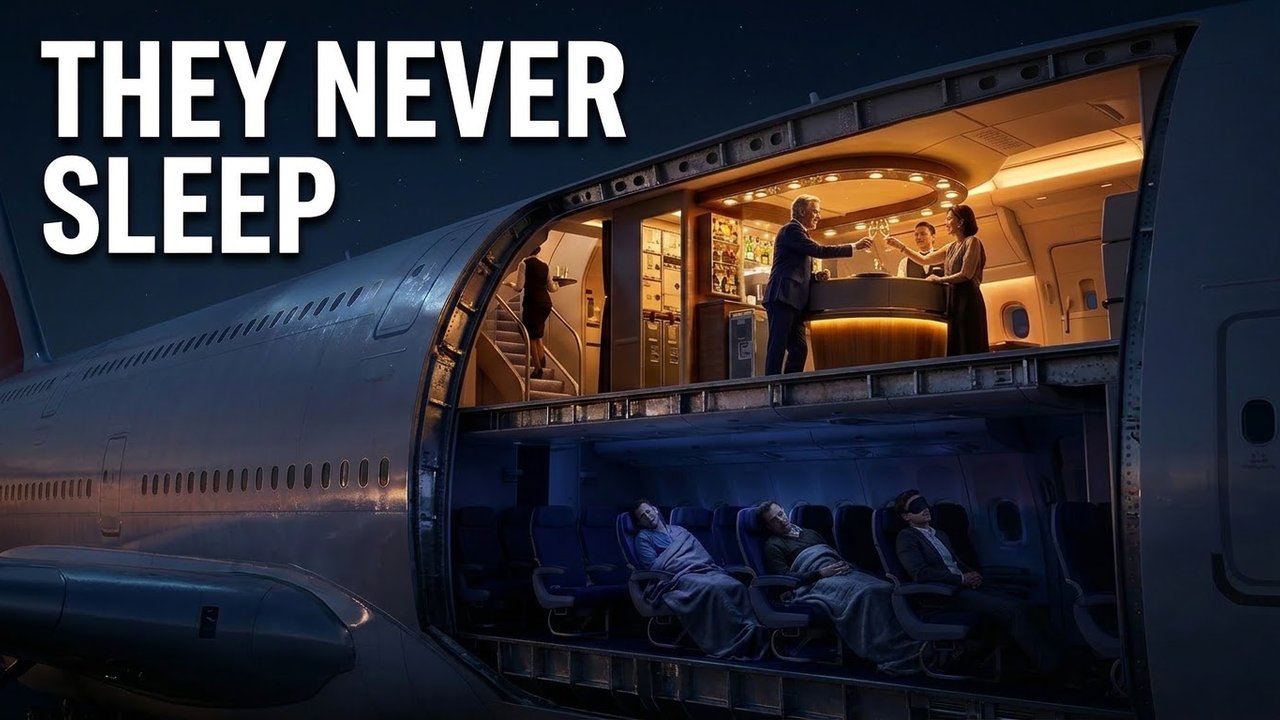
While economy passengers sleep below, the upper deck can still have a staffed bar, First Class bed requests and shower appointments to manage.
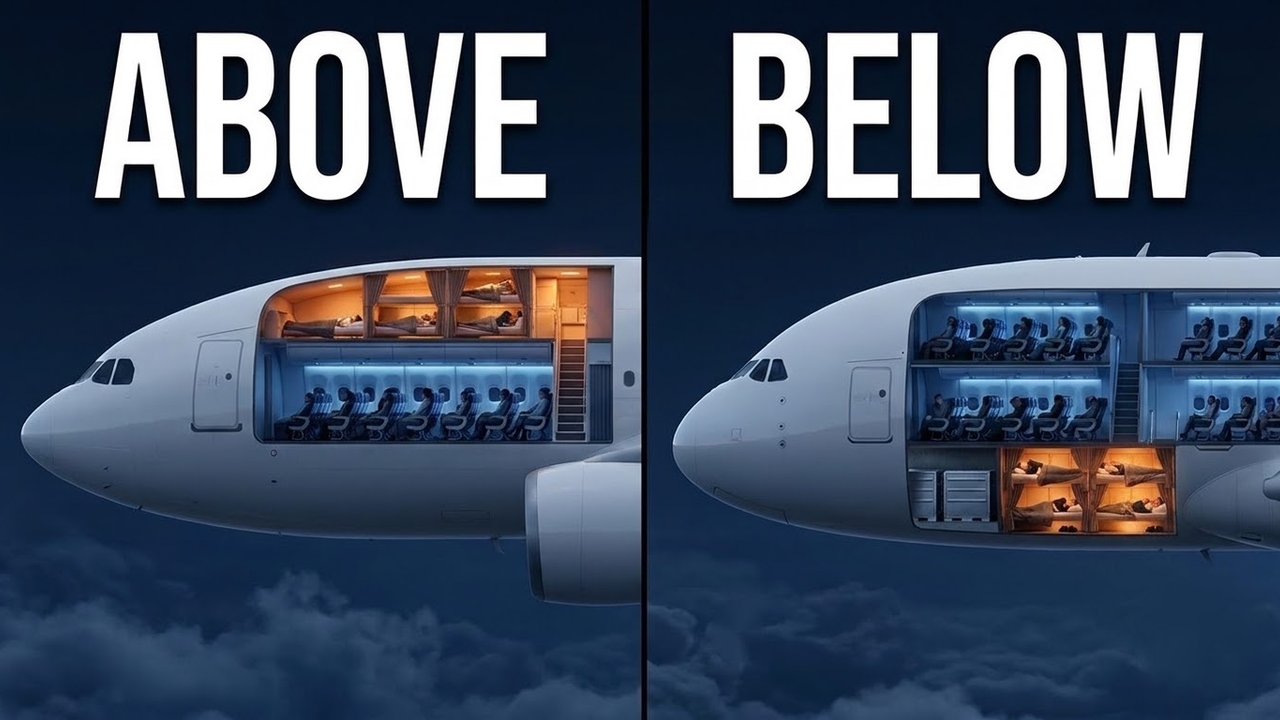
Crew-rest rooms compete with passenger seats, cargo positions and aircraft systems, so airlines place them in different parts of the fuselage.
Documentaries about the people who live and work inside giant structures and machines.
While economy passengers sleep below, the upper deck can still have a staffed bar, First Class bed requests and shower appointments to manage.
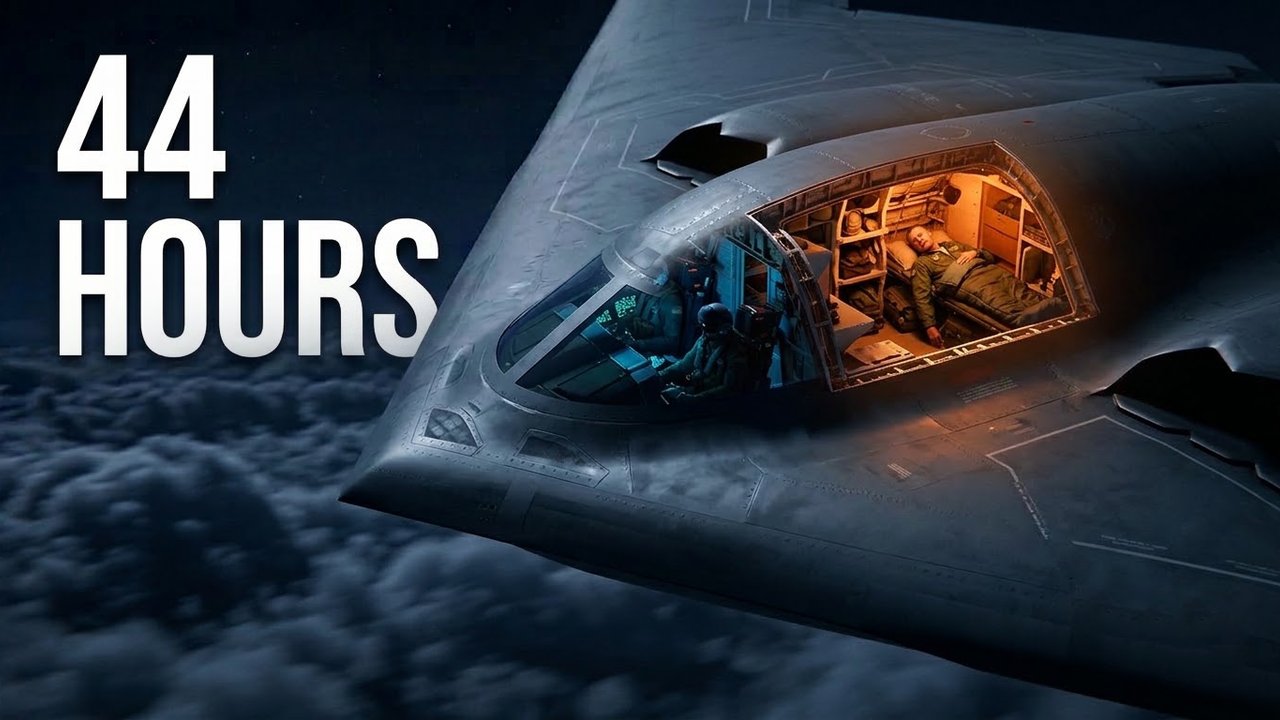
Major Mel Deaile and Captain Brian Neal shared a 25-square-foot compartment, alternating sleep, refueling duties and combat work across a 44-hour sortie.
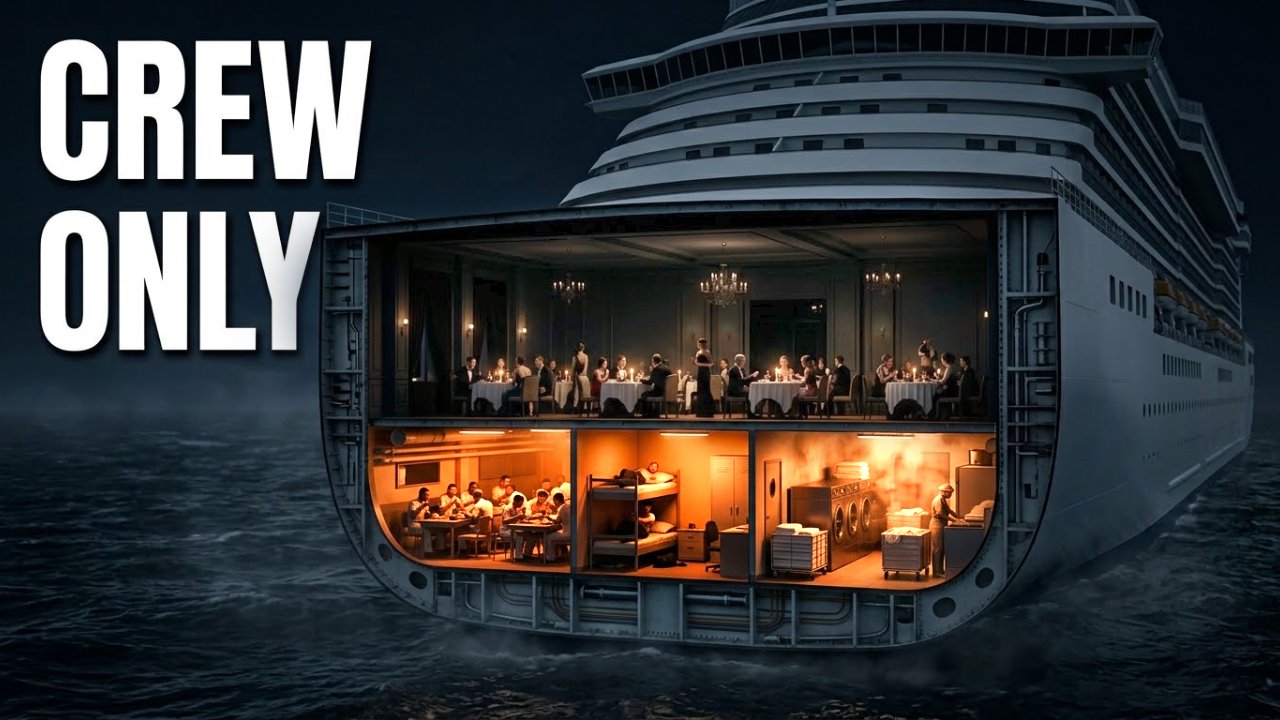
Most crew sleep below the waterline, eat in a 24-hour mess and work split shifts through contracts that can last 9 months.

The slender Manhattan tower was designed to move in strong winds. A board lawsuit describes noise, hard nights and stalled elevators.

Extra pilots, scheduled rest and hidden bunk rooms let crews share the work of one of commercial aviation's longest journeys.

On one South Australian project, up to 20 workers inside manage pressure, excavation, lining and maintenance.

The Burj Khalifa uses 18 custom machines, while Shanghai Tower uses 7 BMUs, including a climbing unit built to follow its twisting facade.

The Burj Khalifa stands on a piled raft that spreads its load through carbonate soil and weak rock. Crews poured the raft at night to keep concrete near 28°C, and engineers monitored movement through 16 survey points.

Mechanical floors contain the equipment that moves air, water, power and heat through tall buildings, and their louvered walls explain why they have no glass.
The video tells the story. The article gives you what is hard to catch on screen: the key numbers, the timeline and every source we used.
Visit the YouTube channel